Paver Patio Cost Calculator
A paver patio is priced in layers — pavers, a compacted gravel base, bedding sand, edging and joint sand — plus the labor to dig out and build it. This calculator prices each layer separately for your size and paver, so you can see what drives the total and compare it with a contractor's quote or a DIY build.
What you'll need
As an Amazon Associate I earn from qualifying purchases.

VEVOR Plate Compactor, 6.5 HP 196cc Gas Engine, 2360 lbs Compaction Force
$432.50
Check price on Amazon
VEVOR Plate Compactor 130W Electric Ground Rammer 5kN Force 3.9in Depth
$379.90
Check price on Amazon
Armor SX5000 WB Natural-Look Penetrating Water-Based Silane Siloxane Concrete Sealer for Concrete, Brick, Pavers, and Natural Stone - 5 Gallon
$224.99
Check price on Amazon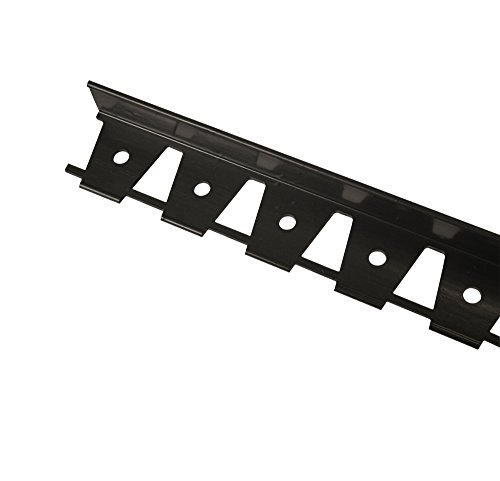
EasyFlex Snip-to-Flex Paver Edging, 60-Feet, Black
$89.99
Check price on AmazonPrices as of Sep 28, 2026, 4:34 PM UTC. Product prices and availability are accurate as of the date/time indicated and are subject to change. Any price and availability information displayed on Amazon.com at the time of purchase will apply to the purchase of this product.
What a paver patio really costs
Published 2026 figures put an installed paver patio anywhere from about $10 to $50 per square foot, with most projects between roughly $15 and $30. That range is wide because a patio is several separate jobs: digging out, building and compacting a base, screeding sand, laying and cutting pavers, and locking the joints. This calculator prices each of those so the total is explainable.
The four cost drivers
- Pavers. Concrete pavers run about $3–$7 per square foot as material, clay brick $5–$10, and natural stone considerably more. Pattern waste is added on top.
- Base and sand. 4 inches of compacted crusher run with a 6 inch overhang, an inch of bedding sand, geotextile, edge restraint and polymeric sand. On a 300 sq ft patio that is about 7.5 tons of stone and 1.4 tons of sand — $600–$1,100 delivered.
- Labor. Published 2026 installer rates are about $4–$11 per square foot, or $50–$80 an hour; the default here is $6–$12. Herringbone at 45° and curves add about 20% because almost every edge paver is cut.
- Excavation. A patio sits about 7 inches deep: 4 in of base, 1 in of sand and a 2 3/8 in paver. Digging that out and hauling the soil away is $1.50–$3 per square foot with a contractor.
Pro vs DIY
Labor is typically 40–60% of a contractor's price, so DIY saves a lot — but the work is heavy (a 300 sq ft patio is almost 9 tons of stone and sand moved by wheelbarrow) and the base is unforgiving. Rent a plate compactor rather than hand-tamping, compact in lifts, and check the grade: 1/8 to 1/4 inch of fall per foot away from the house.
Worked example
300 sq ft of concrete pavers in a running bond, excavated, contractor labor at $6–$12 per sq ft: about $3,800–$7,800, or $13–$26 per square foot. The same patio built yourself is about $1,900–$4,000 including a compactor and saw rental and soil disposal.
Sources for the published ranges: Angi, “How Much Does a Paver Patio Cost to Install?” (2026 data); Homewyse, “Cost to Install Brick Paver Patio” (2026); Lawn Love, “How Much Does a Paver Patio Cost in 2026?”. Stone and sand prices are this site's national averages from the gravel cost guide.
Need the quantities rather than the price? The paver calculator counts pavers, pallets and base stone. Weighing up a gravel patio instead? The gravel patio calculator prices that alternative.
Get the Gravel & Stone Calculator app for Android
Estimate gravel, stone, sand, and mulch on the job site, save projects, and share quantities with your supplier.
Building something else? Try our sister calculators
Smart Roofing Calculator
Free roof replacement cost estimates by material and pitch.
Smart Decking Calculator
Deck cost, boards, joists, and stair estimates.
Smart Fencing Calculator
Fence cost by material and linear footage.
Smart Tile Calculator
Tile quantity, grout, and thinset estimates.
Smart Insulation Calculator
R-value, batt count, and blown-in coverage.
Smart Decking Calculator
Android app — deck cost, boards, and framing on site.
Smart Drywall Calculator
Android app — drywall sheets, mud, and tape estimates.
Smart Sod Calculator
Android app — sod rolls, pallets, and coverage.
Smart Insulation Calculator
Android app — R-value and batt coverage.
Smart Tile Calculator
Android app — tile, grout, and thinset quantities.
Smart Fencing Calculator
Android app — fence cost estimates on the go.
Frequently asked questions
- How much does a 300 sq ft paver patio cost?
- With concrete pavers, a gravel base, excavation and contractor labor at $6–$12 per sq ft, roughly $3,800–$7,800 in this calculator — about $13–$26 per square foot. DIY, the same patio is about $1,900–$4,000 in materials, haul-off and rentals.
- What is the cheapest paver patio?
- Standard concrete pavers in a running bond on a 4 inch base. Herringbone, natural stone and curves all add cost; a simple rectangle in a straight pattern is the cheapest per square foot.
- Is a paver patio cheaper than concrete?
- Usually not up front — plain poured concrete is often less per square foot — but pavers flex with frost instead of cracking, and a damaged paver can be lifted and replaced, so lifetime cost is often similar or lower.
- How much of the cost is labor?
- Typically 40–60%. Excavating, compacting the base in lifts and cutting the edges is slow, skilled work, which is why DIY saves so much — and why a poorly compacted DIY base is the most common reason pavers sink.