Best Safety Gear for Gravel Work
Crushed stone produces silica dust, sharp chips, and hundreds of pounds moved by hand. Four items cover almost all of it.
As an Amazon Associate I earn from qualifying purchases. Affiliate disclosure.
Top picks for this category
As an Amazon Associate I earn from qualifying purchases.
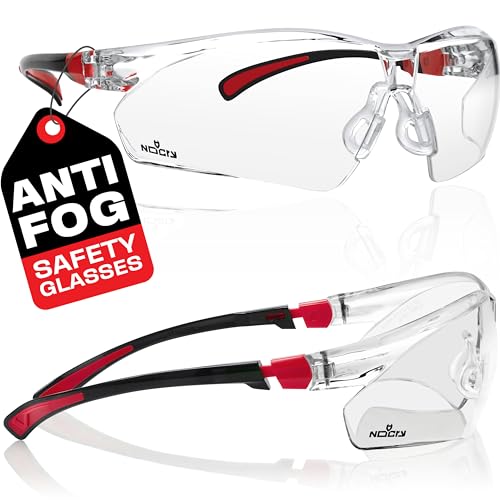
NoCry Clear Safety Glasses for Men and Women with Anti-Fog and Scratch Resistant Wrap Around Lenses, Adjustable Temples and Nose Pads — ANSI Z87 Certified Protective Eyewear with 100% UV Shielding
$13.99
View on Amazon →
REXBETI Knee Pads for Men, Anti-slip Construction Gel Knee Pads for Work
$22.99
View on Amazon →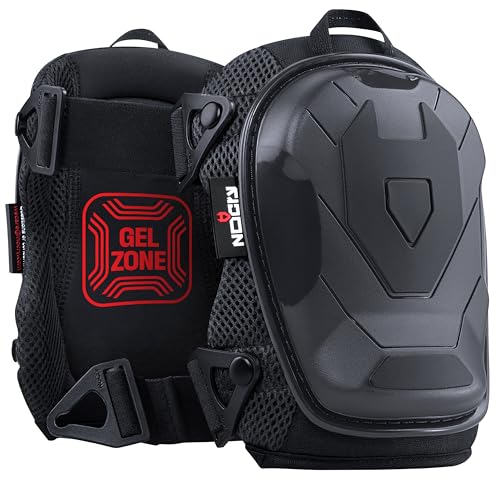
NoCry Professional Construction Knee Pads for Men and Women with Non-Slip Heavy Duty Cap and Ankle Support — Thick Foam and Gel Cushioning — Reinforced, Adjustable Straps and Military Grade Rivets
$32.99
View on Amazon →
LEMENT 50pcs KN95 Face Mask Black 5-Layer Filter≥95% Cup Dust Safety Masks
$9.99
View on Amazon →
Schwer ProGuard High Level Cut Resistant Work Gloves for Extreme Protection, ANSI A9 Cut Gloves with Reinforced Thumb, Non Slip, Breathable, Durable, Touch-screen, Black 1 Pair(L 3326
$14.99
View on Amazon →
3M 8511 N95 Cool Flow Valved Respirator, 10-Pack
$24.22
View on Amazon →Prices as of Sep 25, 2026, 6:18 PM UTC. Product prices and availability are accurate as of the date/time indicated and are subject to change. Any price and availability information displayed on Amazon.com at the time of purchase will apply to the purchase of this product.
The four essentials
Cut-resistant gloves
Angular crushed stone abrades ordinary gloves in an afternoon and the edges will slice skin. Look for ANSI A4 or higher cut ratings, or heavy leather. Coated palms help with grip on wet stone.
Safety glasses
Stone chips fly when you tip a barrow, run a compactor, or cut anything. Wraparound with side protection, and anti-fog if you are working hard. Cheap and non-negotiable.
Respirator or N95
This is the one people skip and should not. Crushed stone contains crystalline silica, and dry crusher run throws a lot of fine dust — particularly under a plate compactor. Silica exposure is a long-term lung hazard, not an irritation.
An N95 is the practical minimum for occasional homeowner use. Damping the material lightly before working it reduces airborne dust more than any mask does. For sustained cutting work, a half-face respirator with P100 cartridges is the right tool.
Knee pads
Laying fabric, setting edging, and screeding a base all happen at ground level, and that ground is sharp stone. Gel or foam pads with a hard cap.
Worth adding
- Hearing protection — a plate compactor runs around 100 dB, comfortably above the level that damages hearing over a day.
- Steel-toe boots — for anyone near a tipping barrow or a delivery truck.
- Hi-vis vest — if a dump truck is manoeuvring on site.
- Back support belt — moving several tons by hand is exactly the load that injures backs.
The dust rule worth remembering
Wet it down. Lightly damping crusher run before you spread and compact it cuts airborne silica dramatically, and it also helps the fines bind during compaction. It is the rare safety measure that improves the work at the same time.
Frequently asked questions
Do I need a mask when working with gravel?
When cutting, compacting, or moving dry crusher run, yes. Crushed stone contains crystalline silica and the dust is a genuine respiratory hazard. An N95 is the practical minimum; damping the material down helps more.
What gloves are best for handling gravel?
Cut-resistant gloves rated ANSI A4 or above, or good leather. Angular stone abrades thin gloves quickly and the edges will cut.
Do I need knee pads for gravel work?
If you are laying fabric, setting edging, or screeding a base, yes. Kneeling on crushed stone is genuinely painful and pads make the job far more bearable.
Get your gravel estimate in 60 seconds
Free, no signup required.
Building something else? Try our sister calculators
Smart Roofing Calculator
Free roof replacement cost estimates by material and pitch.
Smart Decking Calculator
Deck cost, boards, joists, and stair estimates.
Smart Fencing Calculator
Fence cost by material and linear footage.
Smart Tile Calculator
Tile quantity, grout, and thinset estimates.
Smart Insulation Calculator
R-value, batt count, and blown-in coverage.
Smart Decking Calculator
Android app — deck cost, boards, and framing on site.
Smart Drywall Calculator
Android app — drywall sheets, mud, and tape estimates.
Smart Sod Calculator
Android app — sod rolls, pallets, and coverage.
Smart Insulation Calculator
Android app — R-value and batt coverage.
Smart Tile Calculator
Android app — tile, grout, and thinset quantities.
Smart Fencing Calculator
Android app — fence cost estimates on the go.