Gravel vs Concrete Driveway
Published September 6, 2026 · 9 min read
Gravel costs about a third of concrete to install. That much is not in dispute. The real question is whether the maintenance closes the gap over the life of the driveway — so let us run it properly, over twenty years, on a typical 60 ft × 12 ft drive.
Upfront cost
| Surface | Per sq ft installed | 720 sq ft driveway |
|---|---|---|
| Gravel | $2.50–$6.00 | $1,800–$4,320 |
| Asphalt | $7.00–$13.00 | $5,040–$9,360 |
| Concrete | $8.00–$18.00 | $5,760–$12,960 |
Twenty-year total
Now add maintenance. Gravel needs topping up roughly every three years. Asphalt needs sealcoating every four and usually a resurface around year eighteen. Concrete needs sealing every five years and little else.
| Surface | Install | 20-yr maintenance | Total |
|---|---|---|---|
| Gravel | $1,800–$4,320 | ~$2,400 (6 top-ups) | $4,200–$6,720 |
| Asphalt | $5,040–$9,360 | ~$3,240 | $8,280–$12,600 |
| Concrete | $5,760–$12,960 | ~$430 | $6,190–$13,390 |
Gravel still wins after twenty years, though the margin narrows considerably against concrete at the cheap end. Run it for your own driveway and time horizon with the comparison calculator.
Where cost stops being the argument
If gravel always won, nobody would pour concrete. The reasons people do:
Snow
This is the biggest practical one. A plow blade lifts gravel along with snow and throws it onto the lawn, so you lose surface stone every winter and spend spring raking it back. Concrete plows cleanly. In heavy snow regions this alone often decides it.
Mud, dust, and tracking
Gravel tracks. Stones end up in the garage, in the lawn mower, and in the house. A poorly drained gravel driveway turns to mud at the edges. Concrete does neither.
Weeds
Gravel needs occasional weed control, particularly at the edges where soil and organic matter collect. Fabric underneath helps enormously but does not eliminate it.
Slope
Above about 8%, loose gravel washes downhill in heavy rain. It can be managed with angular stone and cross-drains, but a steep driveway is a genuine argument for a bound surface.
Resale
Context dependent. In rural areas gravel is normal and costs nothing in value. In a suburban street where every other house has concrete, it can read as unfinished.
Where gravel clearly wins
- Long rural driveways. At 200+ feet, concrete becomes financially absurd.
- Permeability. Gravel lets water infiltrate. Some jurisdictions restrict impervious surface area, and gravel does not count against it.
- Repairability. A pothole in gravel is fixed with a shovel and twenty dollars of stone. A cracked concrete slab is a contractor visit.
- Ground movement. On expansive clay or in hard-freeze regions, concrete cracks. Gravel simply moves with the ground and gets raked level.
- Speed. A gravel driveway is usable the day it is finished. Concrete needs a week before vehicles.
- DIY. Gravel is genuinely achievable for a homeowner with a rented compactor. Pouring and finishing a large slab is not.
A reasonable rule
Choose gravel for long or rural driveways, sloped-but-not-steep sites, tight budgets, permeability requirements, or where you want to do the work yourself.
Choose concrete for short suburban driveways in snow country, steep grades, or where you want to never think about the driveway again.
If gravel is the answer, size it with the driveway calculator and read the build guide — most of gravel's bad reputation comes from driveways that were never compacted or drained properly in the first place.
Gear and supplies featured in this guide
As an Amazon Associate I earn from qualifying purchases.
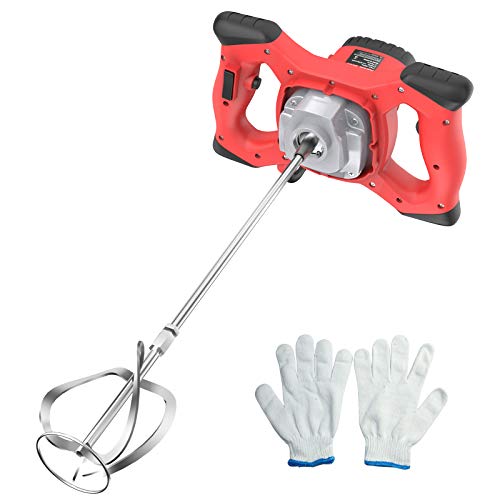
IMAYCC Cement Mixer, 2100W Electric Concrete Mixer with 6 Speed, 110V Handheld Mud Mixer for Motar,Paint, Grout, Plaster, Thinset,Fodder Stirring Tool
$51.90
View on Amazon →
40FT Gravel Grid for Driveway –HDPE Geocell Ground Stabilizer
$49.99
View on Amazon →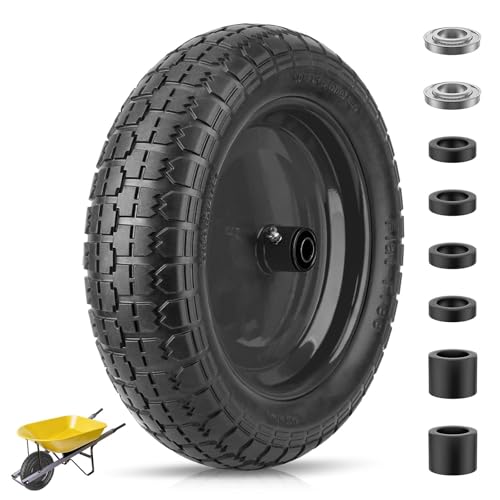
TICONN 4.80/4.00-8 Tire, 14.5" Flat Free Wheelbarrow Tire and Wheel
$34.95
View on Amazon →
BILT HARD Electric Cement Mixer, 4 Cubic Ft. 550W Portable Concrete Mixer Machine, Wheelbarrow Cement Mixing Tools for Stucco
$237.49
View on Amazon →Prices as of Sep 25, 2026, 6:18 PM UTC. Product prices and availability are accurate as of the date/time indicated and are subject to change. Any price and availability information displayed on Amazon.com at the time of purchase will apply to the purchase of this product.
Frequently asked questions
Is a gravel driveway cheaper than concrete?
Yes, substantially. Gravel installs at $2.50–$6.00 per square foot against $8–$18 for concrete. Even after twenty years of periodic top-ups, gravel usually remains cheaper.
How long does a gravel driveway last?
The base can last decades if it was built and drained properly. The surface needs about 2 inches of fresh stone every two to four years.
Does a gravel driveway hurt resale value?
In rural and semi-rural areas, no — gravel is expected. In suburban neighbourhoods where surrounding homes have concrete or asphalt, appraisers do sometimes mark it down.
Which is better in snow, gravel or concrete?
Concrete, clearly. A plow blade scrapes gravel off a gravel driveway along with the snow. Gravel does grip better underfoot when icy, but plowing is the bigger practical issue.
Get your gravel estimate in 60 seconds
Free, no signup required.
Building something else? Try our sister calculators
Smart Roofing Calculator
Free roof replacement cost estimates by material and pitch.
Smart Decking Calculator
Deck cost, boards, joists, and stair estimates.
Smart Fencing Calculator
Fence cost by material and linear footage.
Smart Tile Calculator
Tile quantity, grout, and thinset estimates.
Smart Insulation Calculator
R-value, batt count, and blown-in coverage.
Smart Decking Calculator
Android app — deck cost, boards, and framing on site.
Smart Drywall Calculator
Android app — drywall sheets, mud, and tape estimates.
Smart Sod Calculator
Android app — sod rolls, pallets, and coverage.
Smart Insulation Calculator
Android app — R-value and batt coverage.
Smart Tile Calculator
Android app — tile, grout, and thinset quantities.
Smart Fencing Calculator
Android app — fence cost estimates on the go.